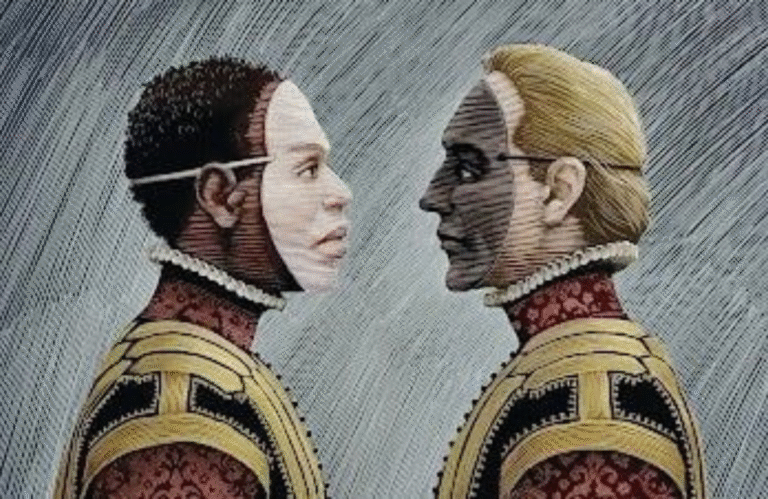

In ancient times, it was common for knowledge to be wrapped in stories, myths, and personified characters. These tales carried profound meaning, but they were never meant to be taken only at face value. A principle could be described as a deity, a natural force could be represented as a character, and human struggles were often depicted as battles between gods. This approach helped seekers of the time — people living in primarily oral traditions — to remember lessons and pass them down.
The problem arises when we stop at the surface and treat the story as the whole truth, rather than looking deeper into what the story is pointing toward. When we only accept the personification, we risk missing the principle itself. The ancient masters were not simply telling tales of gods and goddesses; they were describing Universal Truths in ways that the minds of their generation could grasp.
This is where modern interpretation often diverges. For example, Billy Carson’s popular explanations of the Emerald Tablets lean heavily on personification — treating Thoth/Divine Intelligence as an immortal being who lives through cycles of human history. While these renditions are fascinating and engaging, they can keep seekers at the level of myth. The message risks being trapped in the character’s personality, rather than elevating the mind to the significance that the character was designed to embody.
In contrast, The Path to Your Divine Self seeks to strip away unnecessary layers of personification. The focus is on presenting principles as they are — direct, honest, and practical. Divine Intelligence is not simply a figure to be worshipped or imagined as living forever; Divine Intelligence represents divine wisdom itself, a faculty available within each of us. By seeing Divine Intelligence this way, seekers can recognize that wisdom is not external, distant, or locked into myth. It is internal, present, and waiting to be applied.
This approach is not about discarding ancient traditions, but about uncovering what they were always pointing toward. When ancient scribes used story and symbol, they were packaging principles in ways that their culture could understand. Today, with broader access to literacy and knowledge, we can decode those packages and receive the principle in its pure form.
The reward of doing so is tremendous. It allows seekers to bypass confusion, superstition, or blind reverence, and instead step directly into the living reality of truth. It transforms spirituality from something “out there” into something you live, breathe, and embody each day.
When you grasp principles rather than clinging to personifications, your spiritual path becomes clearer. You stop waiting for external saviors and start cultivating the divine qualities within yourself. This shift leads to a deep sense of fulfillment as you stop getting lost in questions of “Did this figure really exist?” and start asking, “How can I live this truth today?”
This is the gift ancient wisdom offers when understood correctly: a path of self-mastery that connects you directly to the source of order, harmony, and divine intelligence. It’s a connection that transcends time and space, uniting all seekers in a shared journey of understanding and growth.
The call of The Path to Your Divine Self is to remember that while myths may inspire, it is principles that transform. Seekers who learn to look past personification and embrace truth in its pure form will find themselves standing on a foundation that is both timeless and unshakable.